
Panels & System Architecture
Central processing units receiving field sensor signals and activating building-wide emergency responses.
Addressable Fire Alarm Systems
Intelligent networked systems pinpointing the exact location of triggered devices via unique electronic loop addresses, ideal for multi-storey and commercial properties.
Conventional Fire Alarm Systems
Zoned circuit alarm architecture grouped by floor or department, providing reliable cost-effective early warning for small-to-medium residential and commercial buildings.
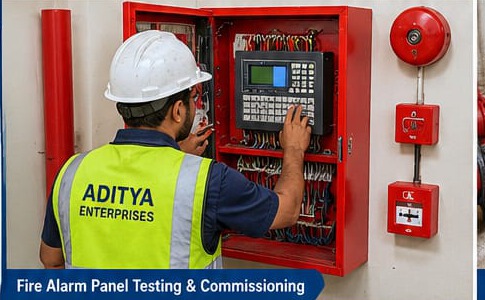
Fire Alarm Control Panels
Microprocessor main panels supporting battery backup charger units, LCD display event logs, cause-and-effect output relays, and BMS / lift integration interfaces.
Sensors & Initiating Devices
Comprehensive sensor technologies calibrated for rapid detection of smouldering combustion, rapid heat spikes, flame radiation, and toxic gases.
Smoke Detectors
Optical / photoelectric chamber detectors recognizing slow-burning smouldering fires in offices, hotel corridors, electrical rooms, and server spaces.
Heat Detectors
Fixed temperature and rate-of-rise thermal sensors suitable for dusty or steamy environments such as kitchens, boiler rooms, and generator enclosures.
Multi-Sensor Detectors
Dual optical and thermal algorithm sensors reducing false alarms by cross-correlating smoke particle density with ambient temperature rises.
Flame Detectors
Ultraviolet (UV), Infrared (IR), and multi-spectrum optical flame sensors detecting open hydrocarbons or clean combustion fires within milliseconds.
Gas Detectors
Catalytic bead and electrochemical sensors for combustible LPG, CNG, natural gas, and toxic gas leak warnings in kitchens and plant rooms.
Manual Call Points (MCP)
Break-glass and re-settable push-button stations located across exit corridors and stairwells for immediate manual alarm triggering by building occupants.
Notification, Commissioning & AMC
High-output warning devices, rigorous validation testing, and ongoing maintenance contracts.
Notification Devices
Electronic hooters, synchronized flashing xenon/LED sounder strobes, and public address (PA) talkback interfaces for unmistakable emergency evacuation alerts.
System Testing & Commissioning
Thorough loop resistance testing, device address mapping, smoke aerosol sensitivity verification, and cause-and-effect emergency relay validation.
Annual Maintenance Contracts (AMC)
Scheduled periodic inspections, sensor chamber dust cleaning, backup battery load testing, fault diagnostics, and certified log maintenance for complete peace of mind.
Fire Alarm Systems FAQs
Practical information on fire alarm design, addressable vs conventional panels, and testing in Pune.
What is the difference between addressable and conventional fire alarm systems?
Conventional systems identify an alarm within a general electrical zone (e.g., "Zone 2 - 2nd Floor"), which is cost-effective for smaller buildings. Addressable systems assign a unique digital address to every individual detector and manual call point, enabling security personnel to instantly pinpoint the exact room or corridor in alarm.
How often should smoke detectors and alarm panels be serviced in Pune?
Indian fire safety codes recommend quarterly functional testing of sounders, call points, and detectors, accompanied by periodic chamber cleaning to prevent false alarms caused by dust accumulation.
Does Adiityaa Enterprises offer Annual Maintenance Contracts (AMC) for fire alarms?
Yes. We provide comprehensive and non-comprehensive AMC agreements for housing societies, commercial complexes, and industrial plants across Pune, including routine audits, battery checks, fault rectification, and emergency callouts.
How can we schedule a fire alarm inspection or consultation?
Contact our Pune team by phone at +91 7517855111 or email sales@adiityaa.com to discuss your building requirements.
Upgrade or Maintain Your Fire Alarm System
Protect life and property with certified fire alarm solutions designed for housing societies, offices, and factories in Pune.